A Guide to Your Soil Functionality Analysis Report
A Soil Functionality Analysis report shows much more than nutrient levels. It shows how well your soil is actually working for your farm.


Farmers today produce more food on fewer acres using better genetics, improved equipment, and increasingly precise fertility programs. But every farming practice has potential tradeoffs. Many of the tools that improve productivity on the farm can also interrupt the biological processes responsible for cycling nutrients, building soil structure, and protecting plant health.
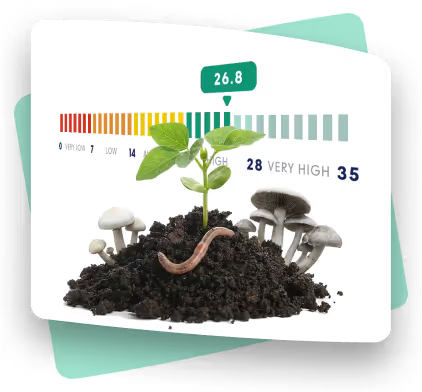
Soil is more than dirt that contains nutrients. The ground beneath your boots is an ecosystem that’s alive with billions of bacteria, fungi, protozoa, nematodes, and countless other organisms working together. Working to do what, you ask? Together, these organisms form a complex biological system that supports the other life rooted in the soil—your crop.
These organisms thrive when they have:
When the right conditions exist, the soil biology system continues to function and can even become more efficient, year after year. Frequent disruption forces that system to repeatedly rebuild and recover instead of continually improving.
Healthy soils don’t become unhealthy overnight. Instead, soil function gradually changes as disruptions accumulate over many growing seasons.
You may notice:
These symptoms often appear long before traditional soil tests reveal a problem. What disrupts soil biology? The clue is in a forest or a prairie. Think about these natural environments that have developed and matured across many decades. These ecosystems depend on teamwork between the big organisms above ground and the microorganisms beneath the ground. And it all happens automatically.
Modern farm management practices are necessary if we want to achieve top yields and run a profitable business. However, management practices have both positive and negative effects on the overall farm environment.
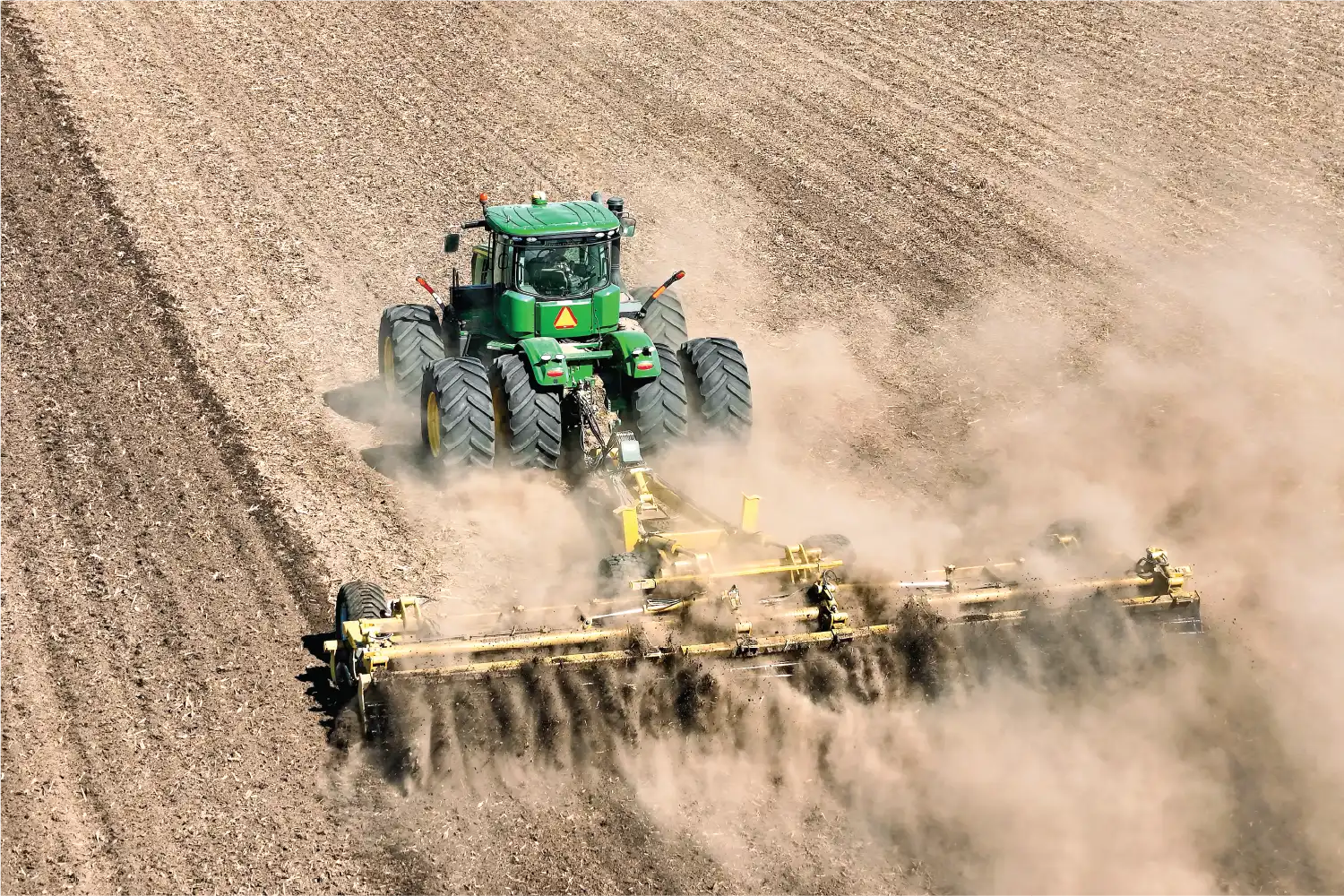
Tillage remains an important management tool on every farm. It is necessary to prepare a seedbed, manage residue, and address specific field conditions such as soil compaction from wheel traffic. However, every tillage pass also physically disrupts the biological habitat beneath the soil surface.
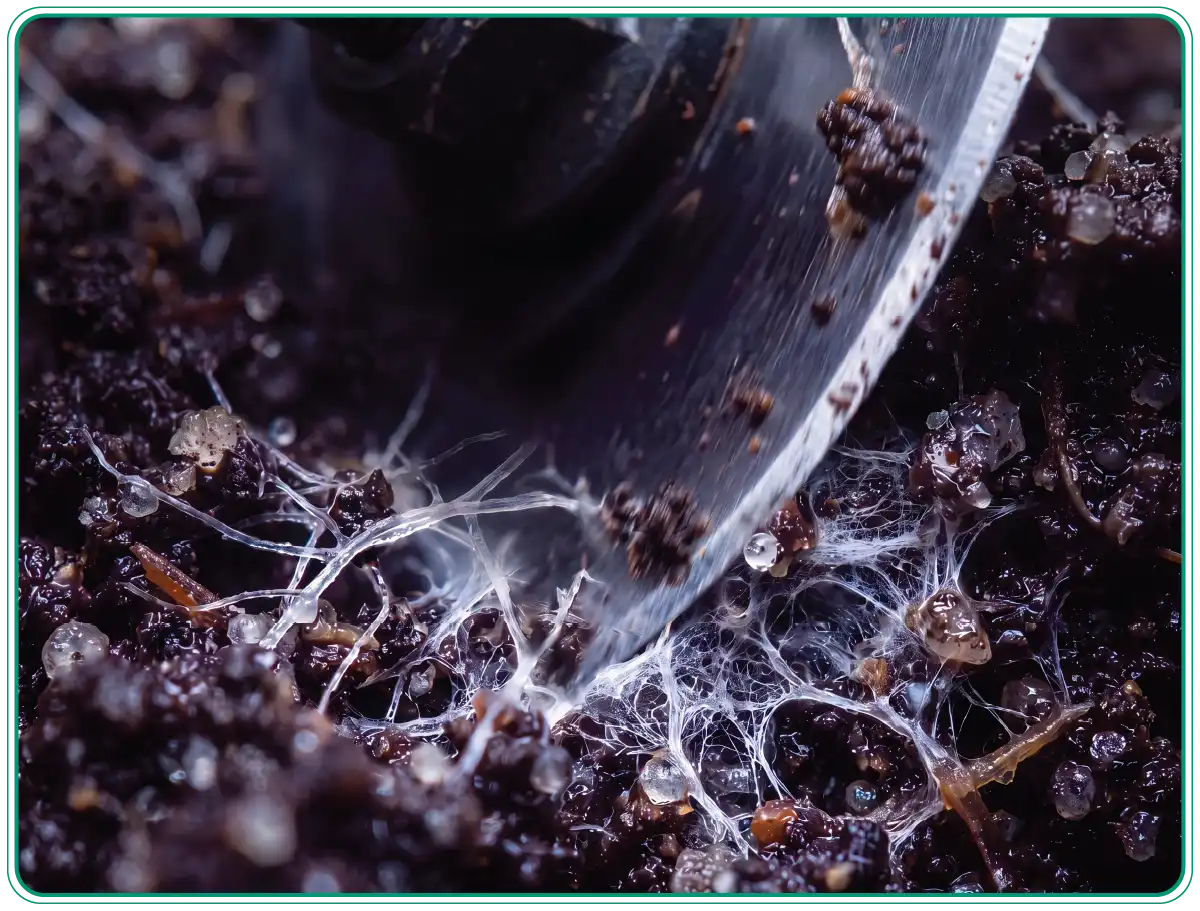
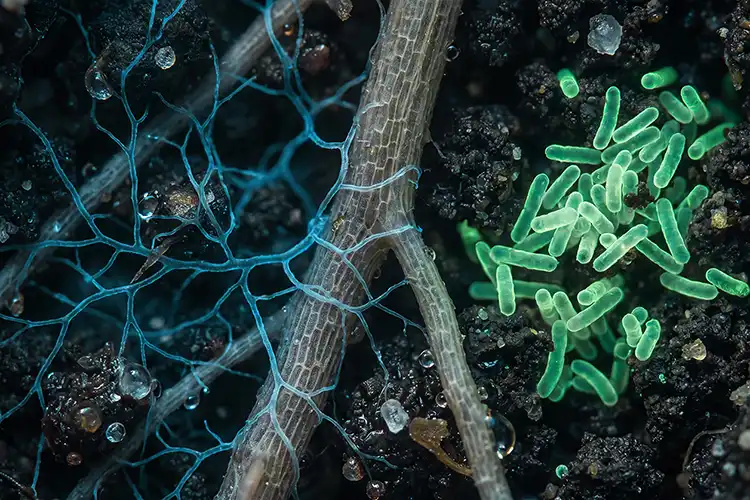
Tillage breaks apart the mycelium networks that fungi build through the soil. These networks act as pathways through which microorganisms and nutrients move toward plant roots. Once those pathways are broken, the underground community has to begin rebuilding them again.
Commercial fertilizers play an essential role in modern crop production. Crops remove nutrients every season, and in order to achieve profitable yields next season, you need to refill the nutrient bank. The challenge is that fertilizers primarily feed plants, while soil biology depends on carbon-rich compounds supplied by living roots and decomposing organic matter.
From our perspective, certain fertilizer forms can also directly disrupt the organisms responsible for nutrient movement. Synthetic nitrogen inputs and potassium chloride, or potash, are examples of products that can reduce fungal and other microbial populations. The crop may still absorb soluble nutrients in the short term, but the biological pathways responsible for cycling nutrients can become less functional over time.
These disruptions do not always affect every organism equally. SFA Reports commonly show heavily bacterial soils with comparatively weak fungal populations. From our perspective, that imbalance is one of the clearest signs that nutrient pathways and carbon cycling have been compromised.
When fertility programs focus only on supplying nutrients without supporting the biological system responsible for cycling those nutrients, soils can gradually become less efficient over time. Healthy soil requires that fertility and soil biology work together. And so does your bottom line.
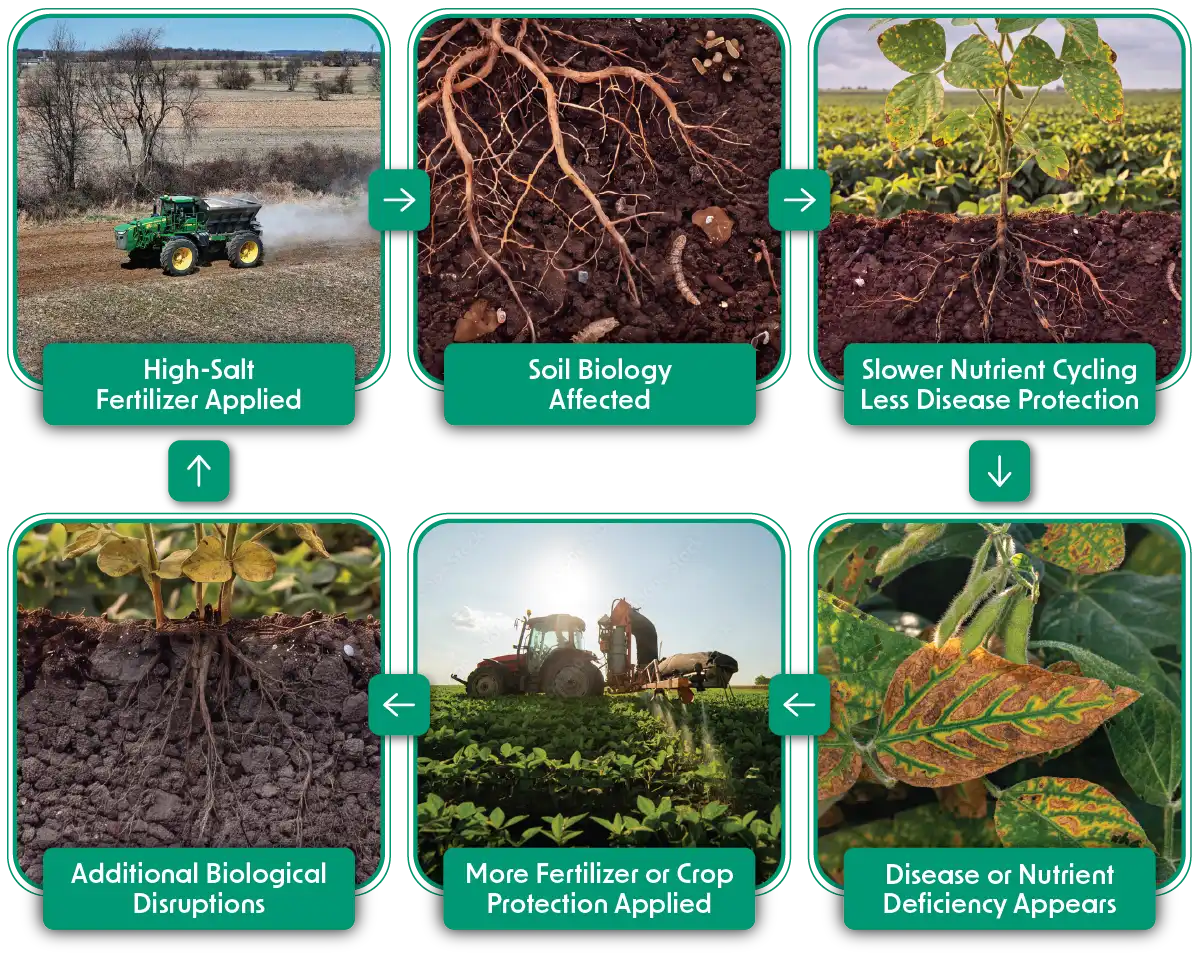
When a crop shows a deficiency, the immediate response is often to apply more fertilizer. But if the organisms responsible for releasing and transporting nutrients have been disrupted, increasing the soluble nutrient supply does not repair the underlying pathway. It can keep the crop moving in the short term while allowing the soil system to become increasingly dependent on additional inputs.
Over time, that can create a costly cycle: biological function declines, nutrient efficiency falls, disease and stress increase, and the grower must spend more money managing the resulting symptoms. Biotech Innovations' approach is to identify and address the causes behind those symptoms.
Healthy soil biology, good soil structure, and active nutrient cycling help maximize the return on every fertilizer dollar you invest. So, rather than focus only on nutrient supply, it’s equally important to evaluate how effectively nutrients are moving through your soil.
There’s no question that weeds reduce yields. Herbicides and fungicides have helped farmers manage weeds and diseases that would otherwise reduce yield. As with other management tools, these products can have unintended consequences.
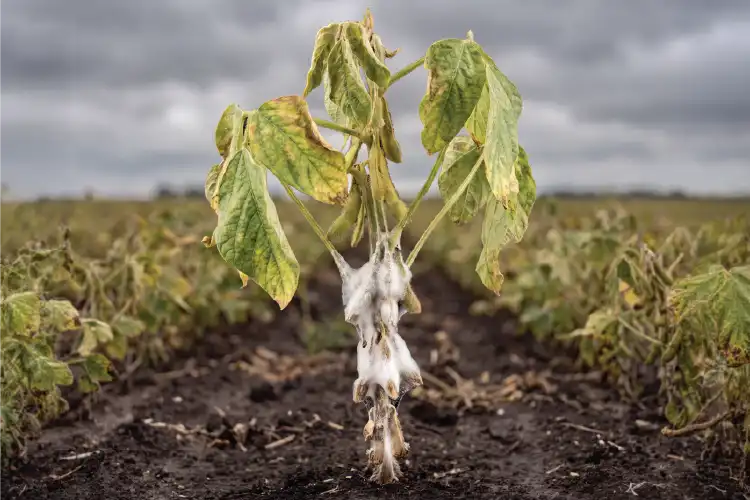
From Biotech Innovations' perspective, products such as glyphosate and fungicides can affect more than the weed or pathogen being targeted. For example, they can affect mycorrhizal fungi and other beneficial organisms that help plants access nutrients and resist stress. When those beneficial fungal relationships are weakened, nutrient uptake can decline and the crop may become more susceptible to disease.
This can create another management cycle. Beneficial fungal populations decline, disease pressure increases, and another crop-protection application is used to control the resulting symptom. No farm can realistically move entirely away from crop protection products. But you can work to understand and address the biological conditions that may be contributing to repeated weed and disease problems.
Turning back the clock is neither practical nor necessary. No one expects growers to abandon modern equipment, fertility programs, or crop-protection tools and farm exactly as previous generations did. Instead, improving soil function begins with recognizing that every management decision affects both the crop above ground and the organisms working beneath it.
There are several strategies growers can use to improve soil function:
These steps help rebuild the organisms and pathways impacted by repeated synthetic inputs and management practices.
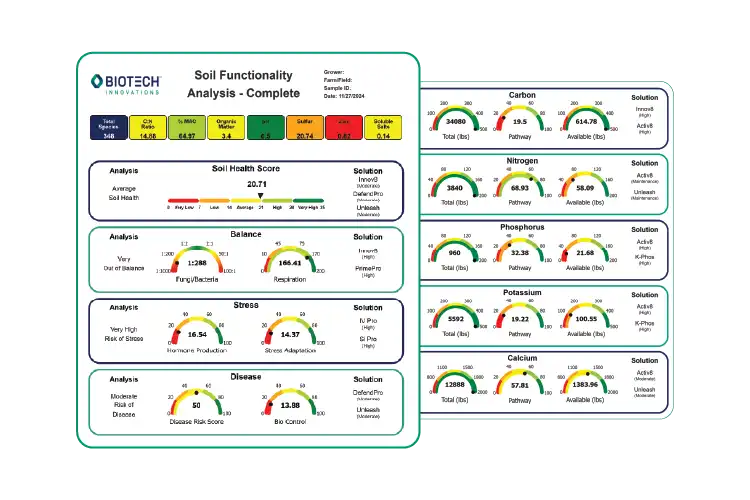
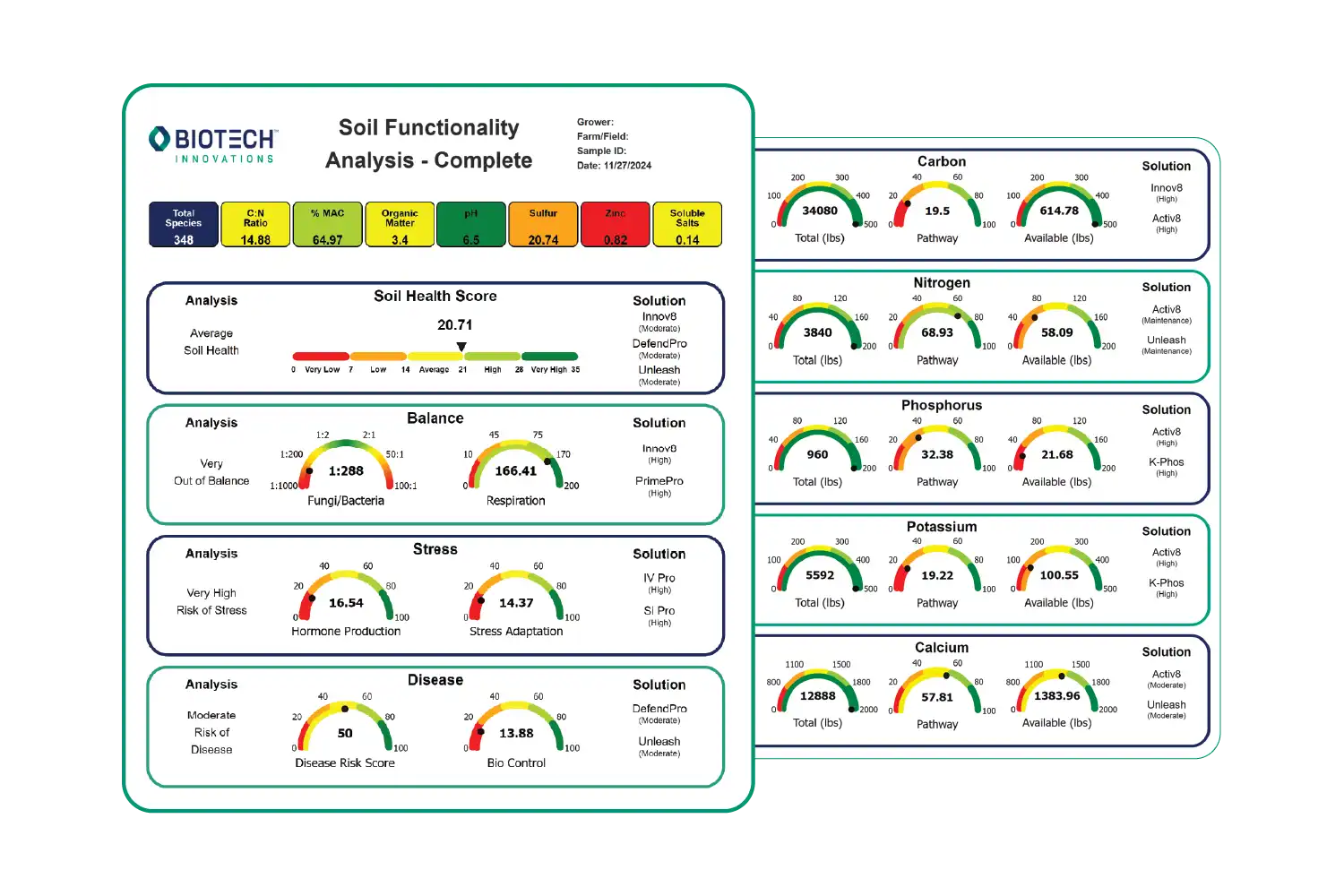
Traditional soil tests measure nutrient levels and call it a day. A Soil Functionality Analysis (SFA) Report, provided free of charge by your Biotech Innovations dealer, evaluates the biological processes that influence nutrient cycling, soil structure, disease suppression, and overall soil function.
One of the first relationships Biotech Innovations evaluates is the balance between fungi and bacteria. A heavily bacterial soil may indicate that fungal colonies and the nutrient pathways they create have been damaged. The report also evaluates available carbon and respiration to determine whether the remaining organisms have the food and activity needed to perform their jobs.
If you understand exactly how your soil is functioning, you’re able to make more informed management decisions. With the information an SFA Report provides, you’ll be able to identify opportunities to improve the productivity of your farm now and for the long term.
Read More: A Guide to Your Soil Functionality Analysis Report
No single product can build healthy soil by itself. Products can reintroduce organisms, support specific biological pathways, and help the system recover—but long-term improvement depends on how those products work alongside your overall management program.
A complimentary Soil Functionality Analysis (SFA) Report from your Biotech Innovations dealer is the first step toward understanding what's happening beneath your fields. Together, we’ll Unlock the Power in Your Soil.