A Guide to Your Soil Functionality Analysis Report
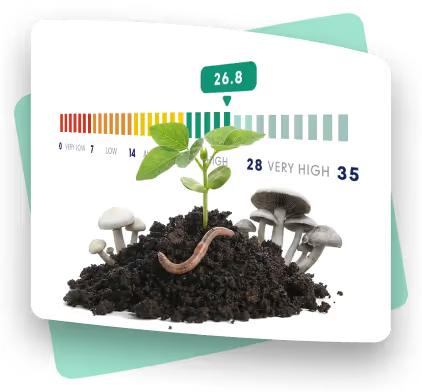
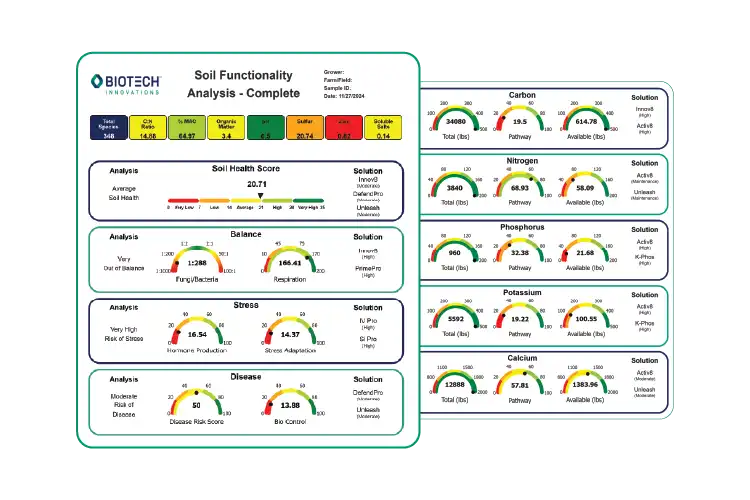
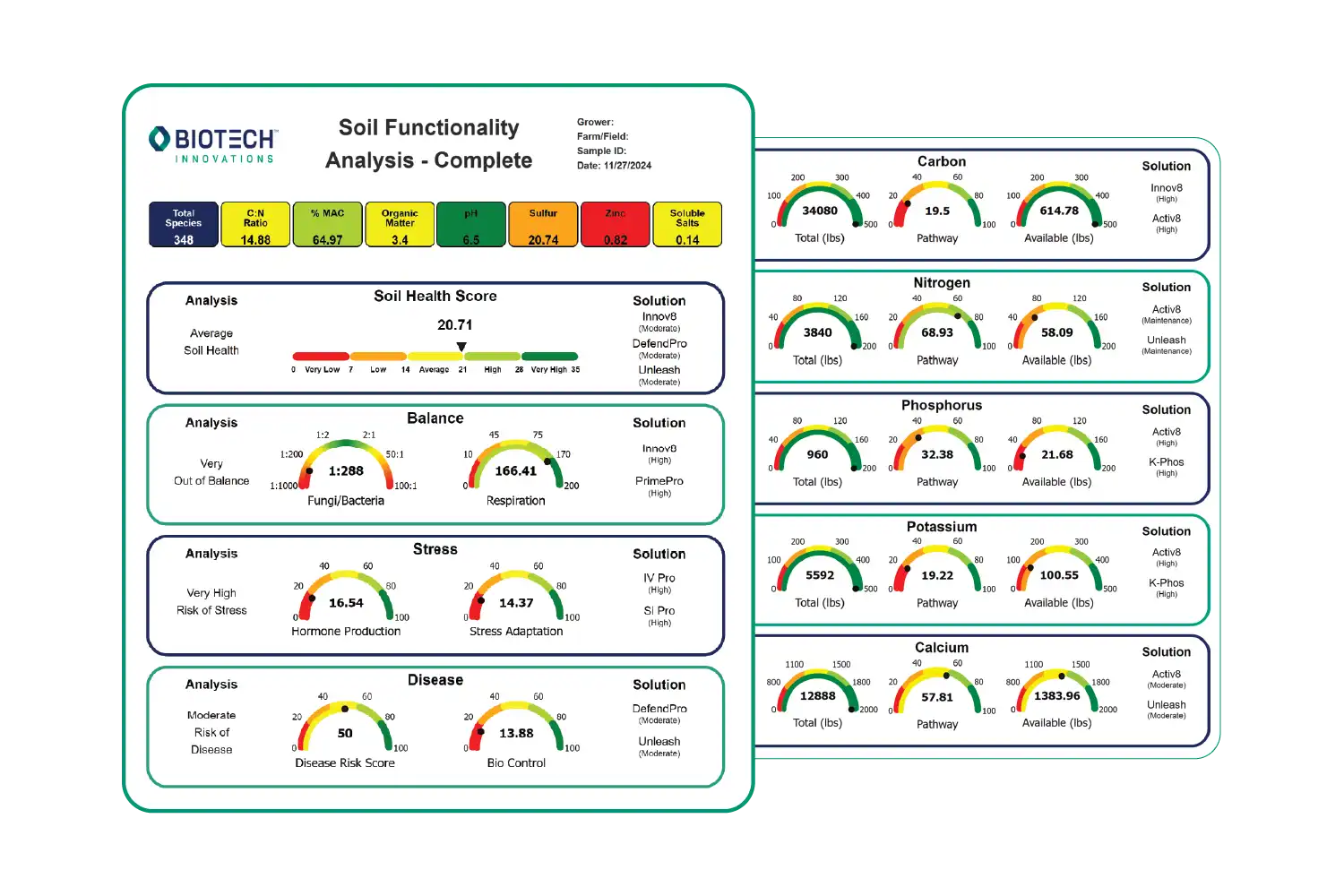
A Soil Functionality Analysis report shows much more than nutrient levels. It shows how well your soil is actually working for your farm.


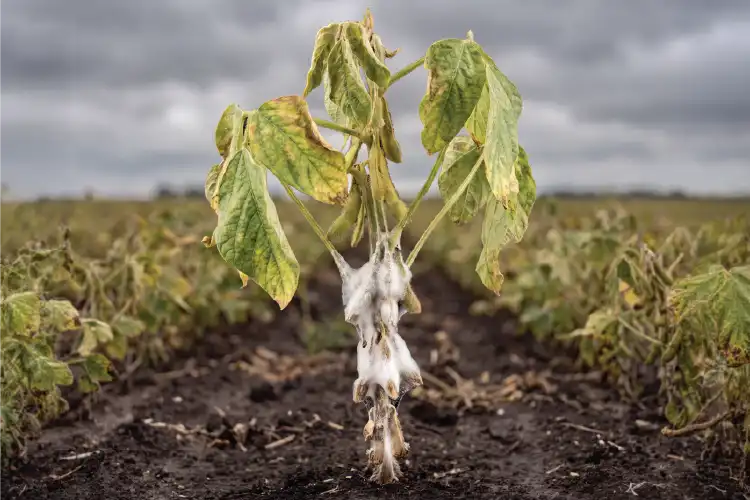
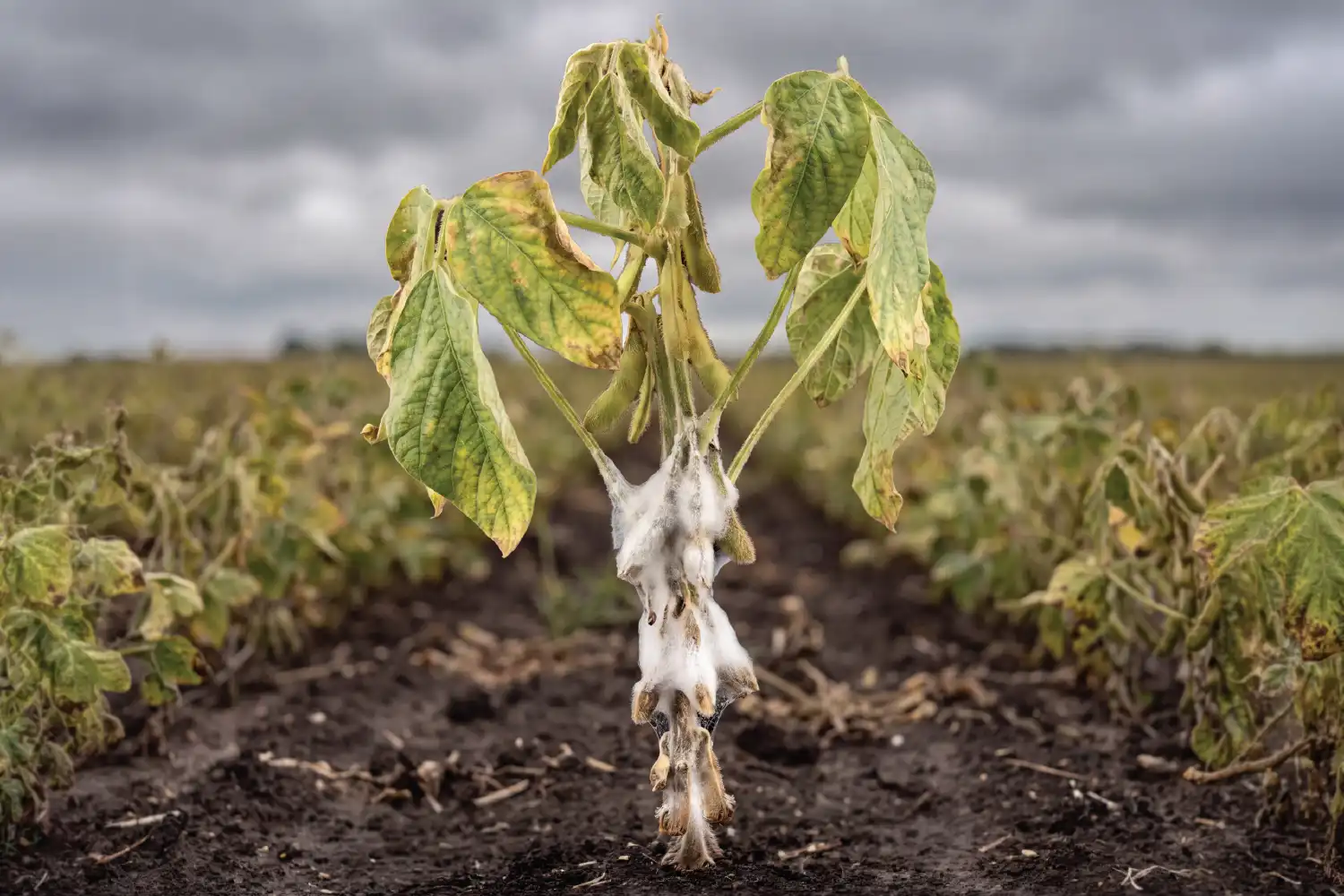
By the time you see lesions on leaves, damaged roots, or other visible signs of disease, the conditions that allowed the problem to develop may have existed for weeks, months, or even years. Farmers are used to reacting to disease with crop protection products, but what if there was a way to address the root issue?
Once you spot a disease in a field, you’re forced into action. Determine the amount of affected area. Choose the appropriate fungicide or other crop protection product. Hop in the sprayer and apply. And last, hope the solution works to slow or stop the pathogen before it takes a serious bite out of your yields.
There is an obvious problem with this approach: you’re reacting after the disease has already established itself.
At Biotech Innovations, we believe that there’s another solution, and it starts with asking a different question:
What allowed the disease to become a problem in the first place?
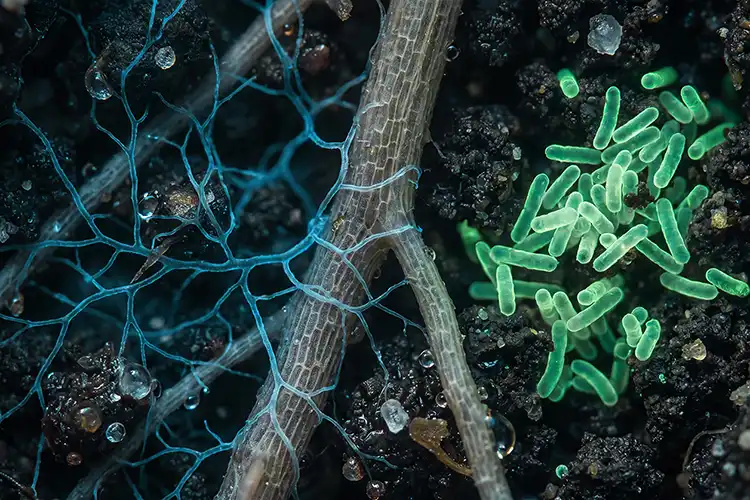
Your crop doesn't grow in isolation. It spends the entire growing season interacting with billions of bacteria, fungi, and other microorganisms in and around its root system. Some of those organisms can cause disease. Many others actively support plant health and work to fight disease.
The balance between those groups can influence whether a pathogen gets an opportunity to take over.
Healthy soil is home to a great diversity of microorganisms. Within that community are beneficial organisms that compete with disease-causing organisms for food, space, and access to plant roots. Some beneficial microbes can directly suppress pathogens, while others support stronger plant growth and help create conditions that make it more difficult for disease-causing organisms to dominate.
Biotech Innovations' own biological products use numerous species of beneficial microbes for this purpose. These organisms can compete with or consume disease organisms, while certain biological products are designed to colonize the rhizosphere and suppress pathogens through microbial competition and naturally produced antifungal compounds.
Think about it this way:
Rather than trying to eliminate every pathogen from your fields, try instead to keep the biological “neighborhood” crowded with the right residents.
When beneficial organisms occupy the available space and resources, disease organisms have more competition.
As we've discussed before, fungi perform some of the heaviest lifting in a functioning soil system.
Read more: Why Your Crop Needs the Right Balance of Fungi and Bacteria in Your Soil
Beneficial fungi build pathways through the soil, help transport nutrients, break down residue, and establish relationships with plant roots. But fungal communities can also be especially vulnerable to disruption.
Tillage physically breaks fungal networks. Certain fertility and crop-protection practices can further compromise fungal populations. Over time, Biotech Innovations commonly sees agricultural soils become heavily bacteria-dominant while beneficial fungal colonies become increasingly weak.
That imbalance can affect more than nutrient movement. Biotech Innovations has observed that, as the pool of beneficial fungi becomes compromised, fungal disease pressure can become more prominent. In other words, weakening one part of the fungal community can create an opportunity for another, less desirable group in that community to take advantage.
A disease’s effects on your crop is what you eventually see, but the biological imbalance came first.

Imagine a field with a diverse and active microbial population surrounding every plant root. Space is occupied. Food sources are being consumed. Beneficial organisms are interacting with the plant and with one another.
Now compare that with a field where biological diversity has declined. There are fewer beneficial organisms occupying those spaces and consuming those resources. The biological system has fewer competitors available to keep opportunistic organisms in check.
That’s one reason we put so much emphasis on biological diversity. Different organisms perform different jobs, and some of those jobs directly contribute to disease suppression. Biotech Innovations' biological programs include nitrogen fixers and decomposers alongside disease-suppressing organisms because a functioning soil requires a community, not a single "good" microbe.
The goal isn't to create sterile soil. It's exactly the opposite.
Disease suppression isn’t only about beneficial organisms competing directly with pathogens. Soil biology also helps support the plants themselves.
A functioning biological system improves nutrient availability and helps plants access the elements they need throughout the growing season. Mycorrhizal fungi expand the effective reach of roots. Other microorganisms help cycle residue, solubilize nutrients, and transport the nutrients you apply through your fertility program to your crop.
When those pathways are working, the crop is better positioned to grow and respond to environmental stress.
When those pathways are compromised, nutrient efficiency declines and plant stress can increase. That weakened crop is now dealing with disease pressure while already operating with fewer resources.
This is why we don't separate fertility, soil biology, plant stress, and disease into completely independent problems. It’s all part of the same system.
None of this means you should stop using fungicides. If a damaging disease is established in your crop and an effective fungicide is available, controlling that pathogen may be necessary to protect yield.
But killing the pathogen doesn’t necessarily correct the conditions that allowed it to become a problem.
If beneficial fungal populations remain weak, biological diversity remains low, or the crop continues struggling to access nutrients, the underlying system hasn't changed. You may find yourself treating the same symptom again the following season. This is the cycle Biotech Innovations is trying to interrupt.
Instead of asking only:
What should I apply to control this disease?
We also want to ask:
What conditions allowed this disease to become a problem?
Those questions lead to two very different approaches to long-term disease management.
If biological imbalance contributes to disease pressure, the solution isn’t simply to remove undesirable organisms. You also have to rebuild the community of beneficial “residents.” Depending on what an SFA Report reveals, that can mean supporting fungal and/or bacterial populations that have become depleted, or feeding the microbes already in the soil.
For example, Biotech Innovations employs beneficial fungal and bacterial species as part of biological programs designed to suppress disease organisms and support healthier root systems. Rather than waiting for a pathogen to dominate and then attempting to eliminate it, the objective is to establish beneficial biology around the plant from the beginning.
This is a fundamentally different way of thinking about disease management: Don’t just fight the organisms you don’t want. Support the organisms you do.
You don’t have to wait until disease symptoms appear to start looking for weaknesses in your soil’s biological system. A Soil Functionality Analysis (SFA) report allows your Biotech Innovations dealer to evaluate several factors that influence biological function, including:
No single measurement can predict whether a particular disease will appear.
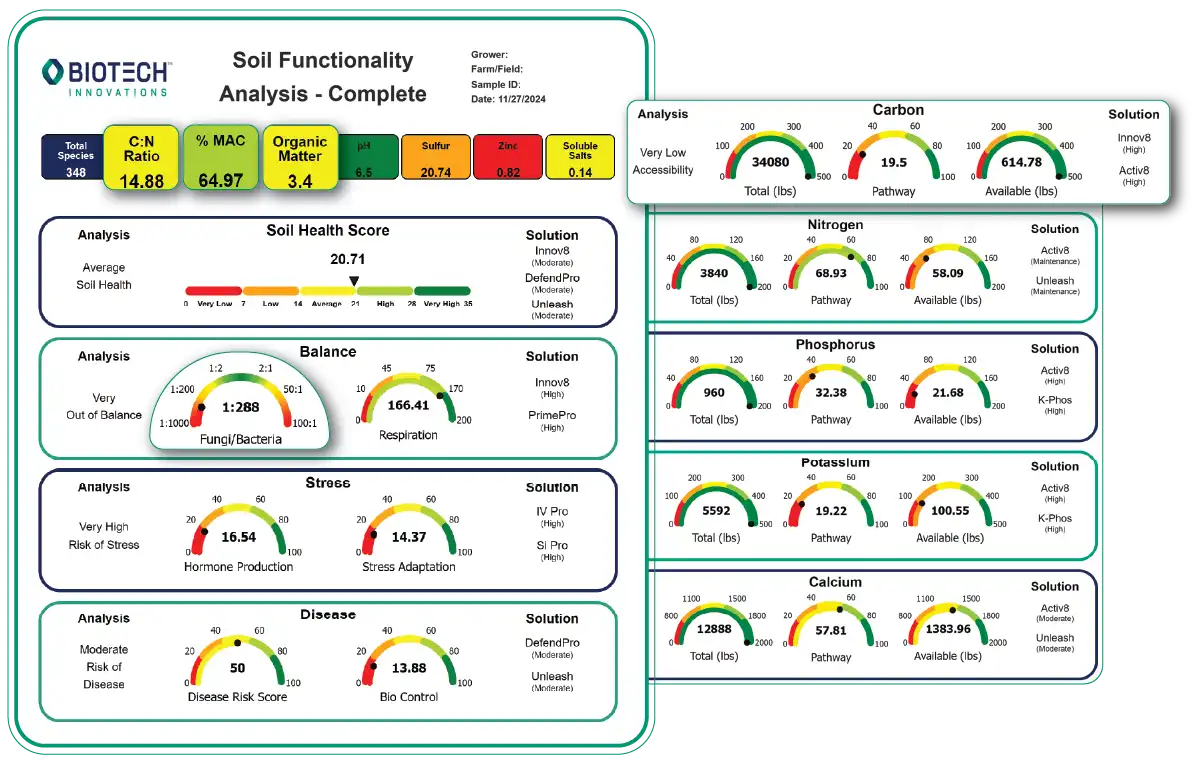
Instead, these measurements help reveal whether the biological system supporting your crop is functioning as it should. A heavily bacteria-dominant soil, weak fungal populations, low respiration, or insufficient microbially active carbon may provide clues about parts of the system that need attention.
The goal is to identify those weaknesses before they become problems you can see from the cab.
Read More: A Guide to Your Soil Functionality Analysis Report
Disease management will always be part of farming. Challenging weather conditions. Pathogens with ever-increasing reach across the country. Even in the best-managed fields, disease pressure can strike.
But your crop doesn't have to face those challenges alone.
A diverse, functioning biological community can compete with pathogens, support nutrient availability, strengthen the root zone, and help your plants become more resilient when disease pressure arrives.
A complimentary Soil Functionality Analysis (SFA) report from your Biotech Innovations dealer can help identify biological weaknesses before you're simply reacting to another symptom. From there, we'll help you build a strategy designed to restore biological function, support your crop, and Unlock the Power in Your Soil.